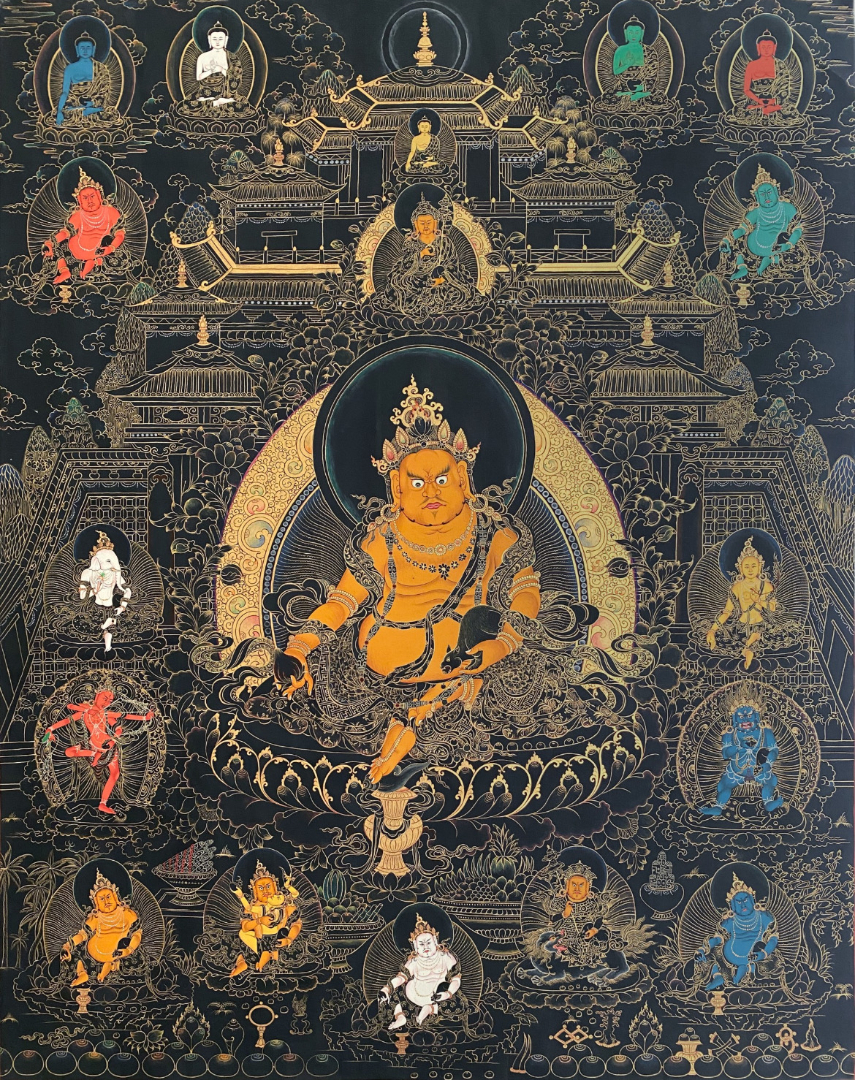
The Eighteen Gods of Wealth
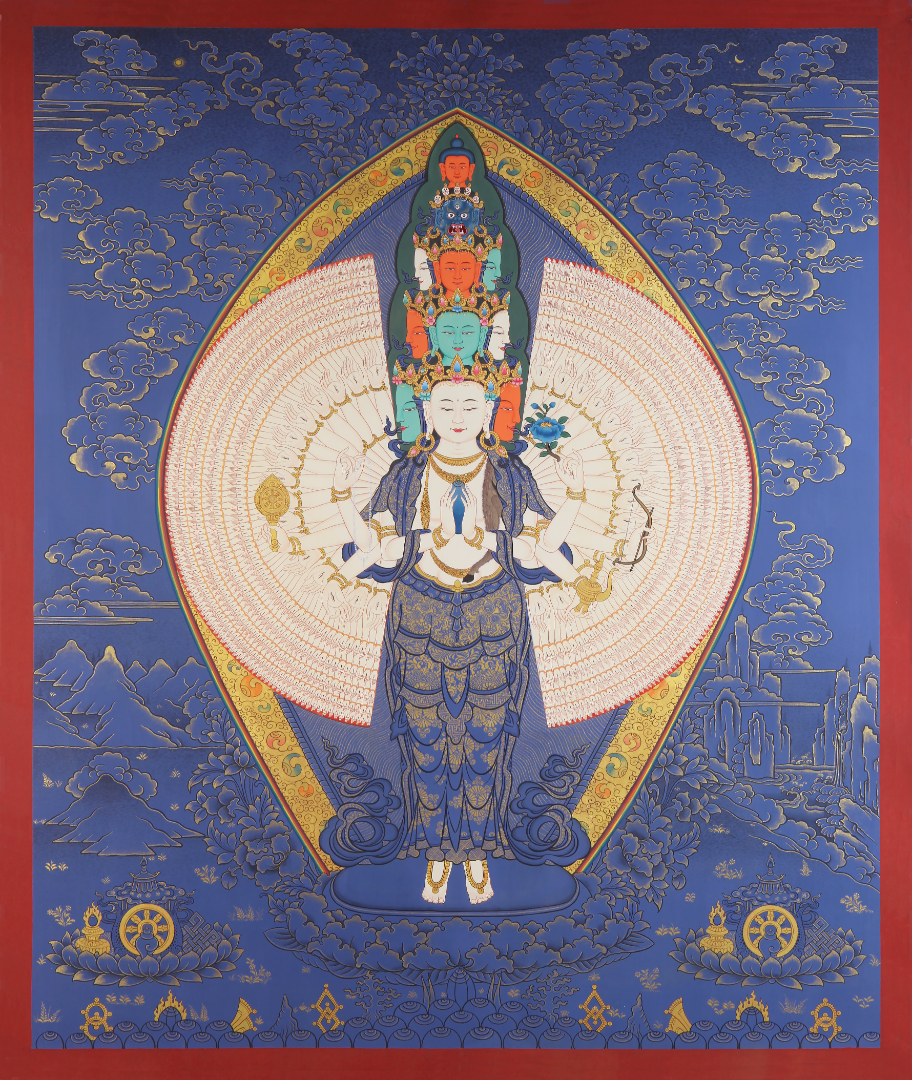
Guanyin of a Thousand Hands

Mani Jewel Mandala
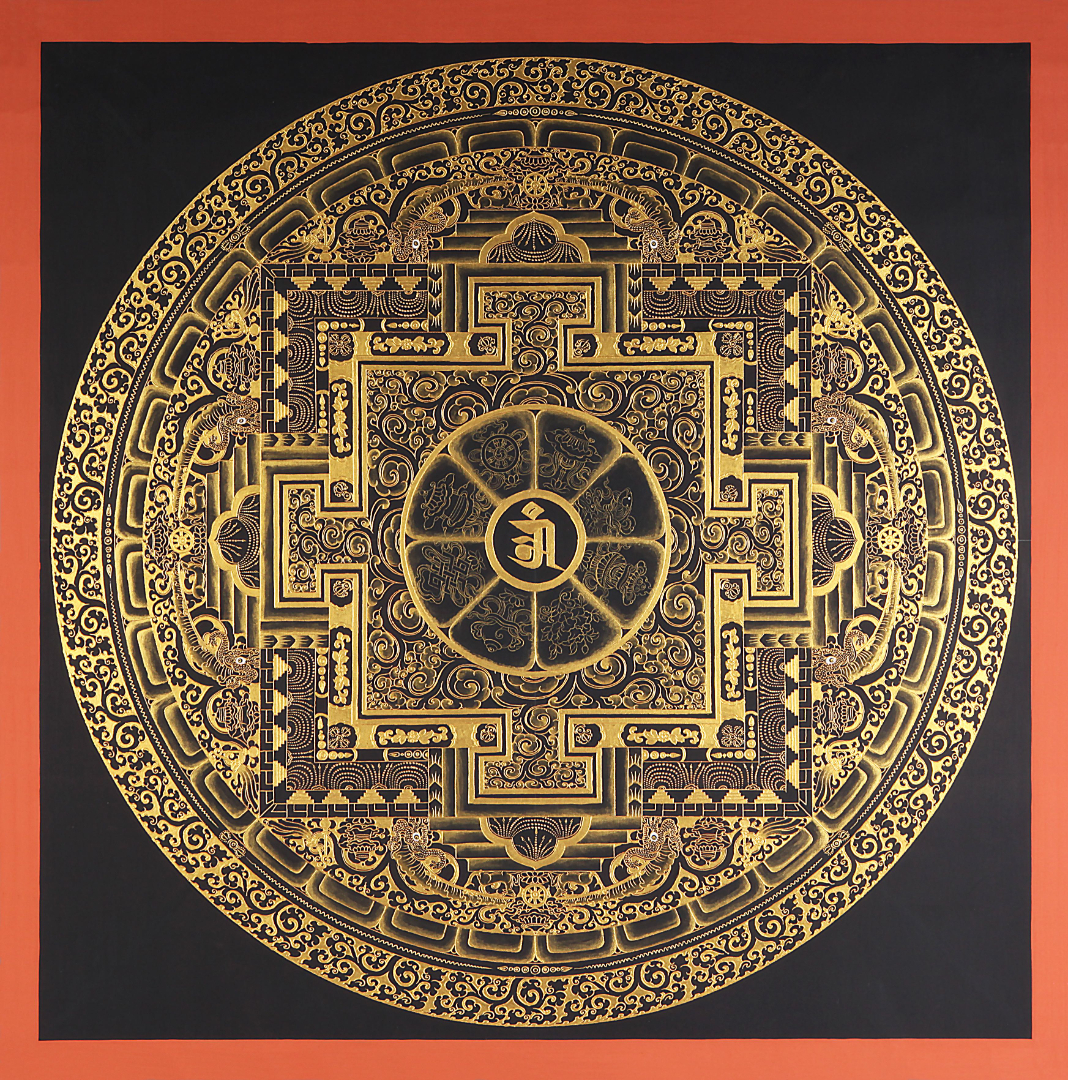
Om Mani Padme Hum Eight Auspicious Symbols Mandala
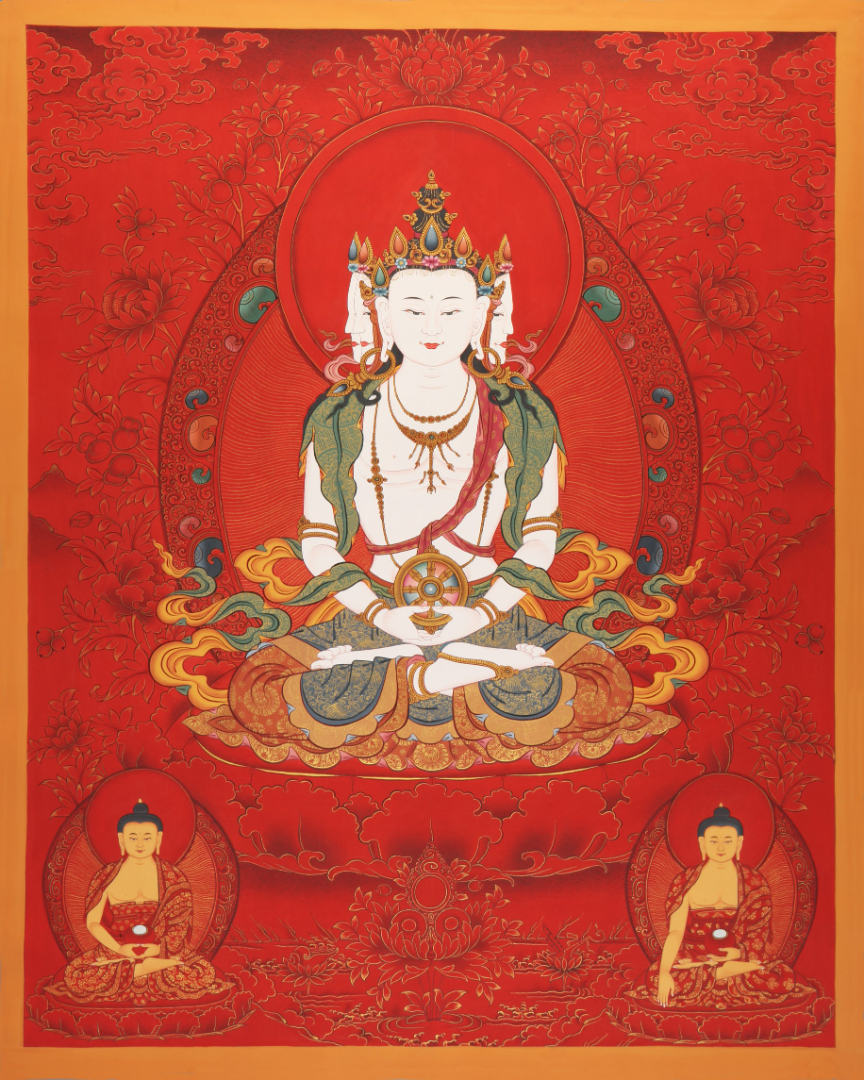
Tathagata the Great Sun
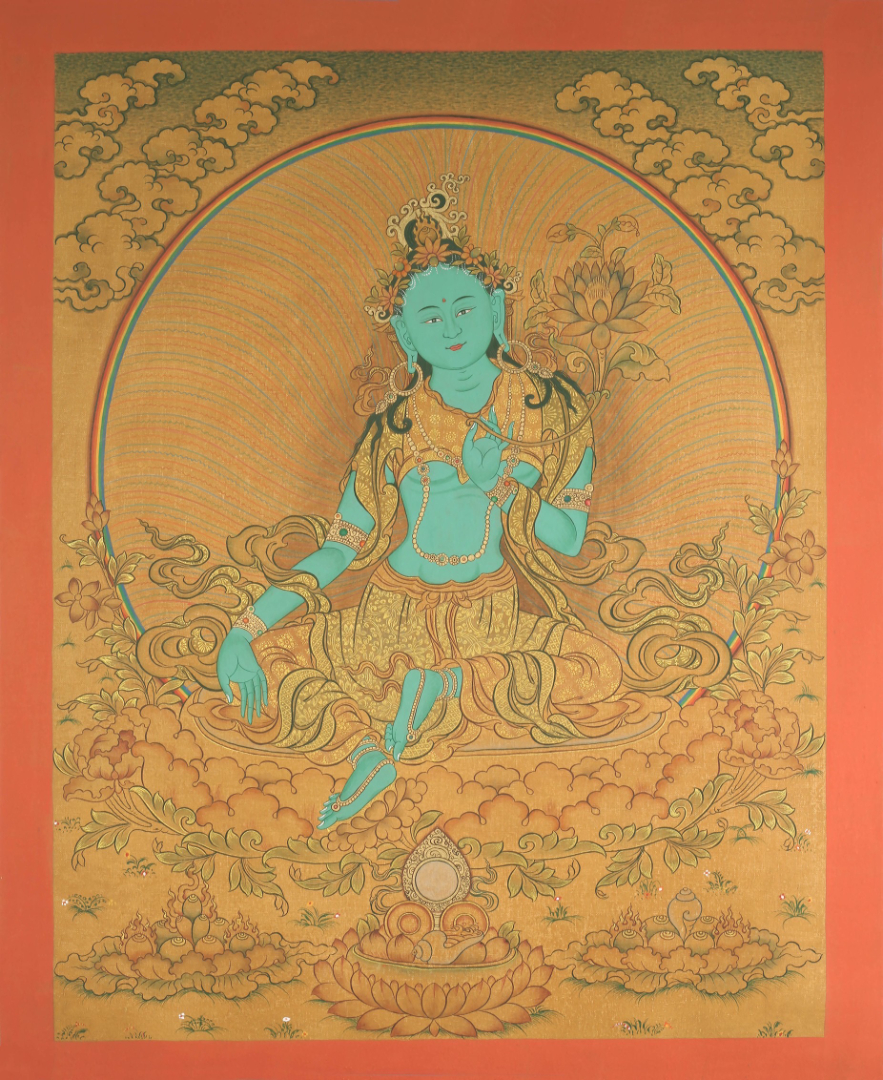
Green Tara
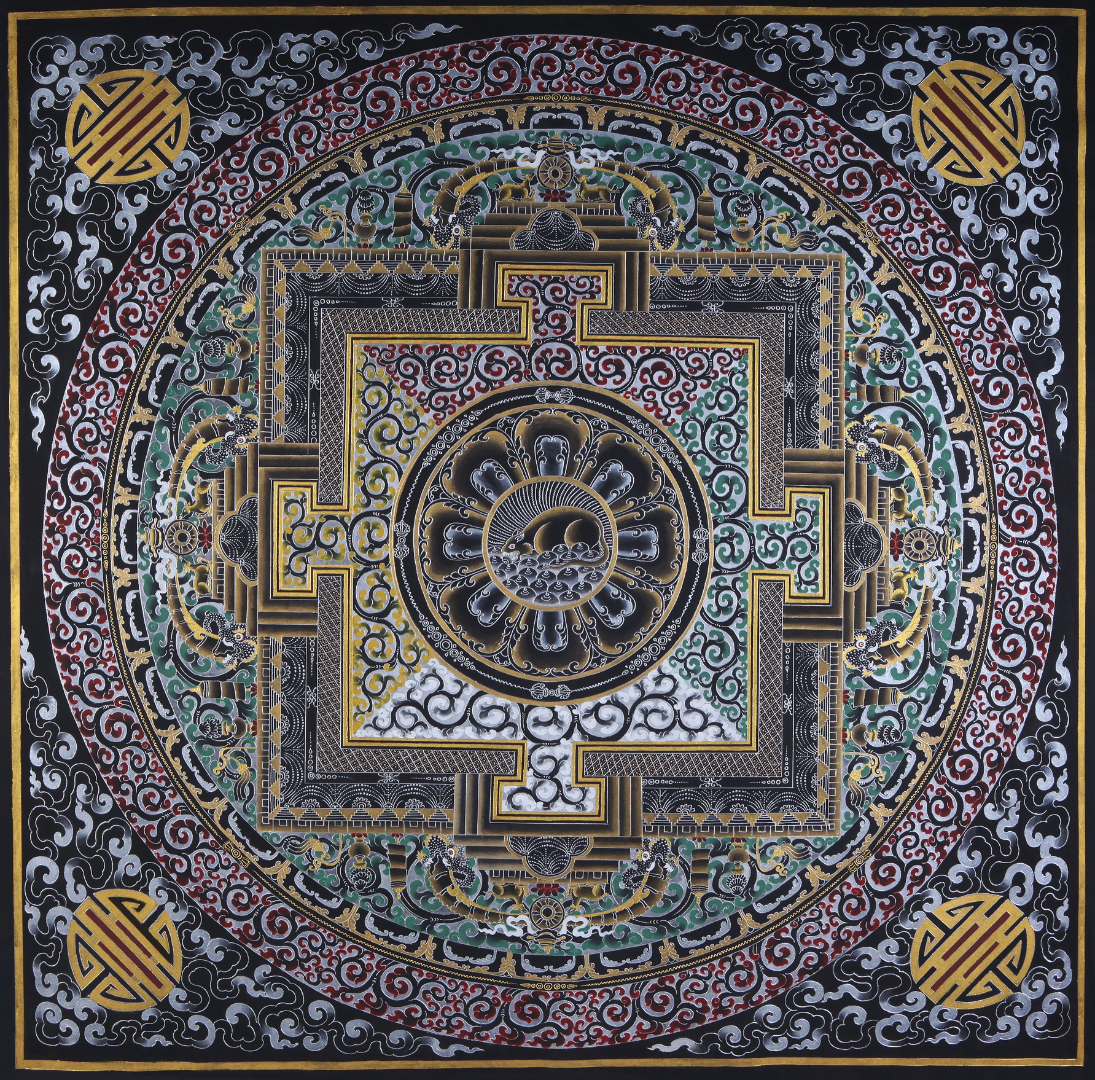
Zambhala Mandala
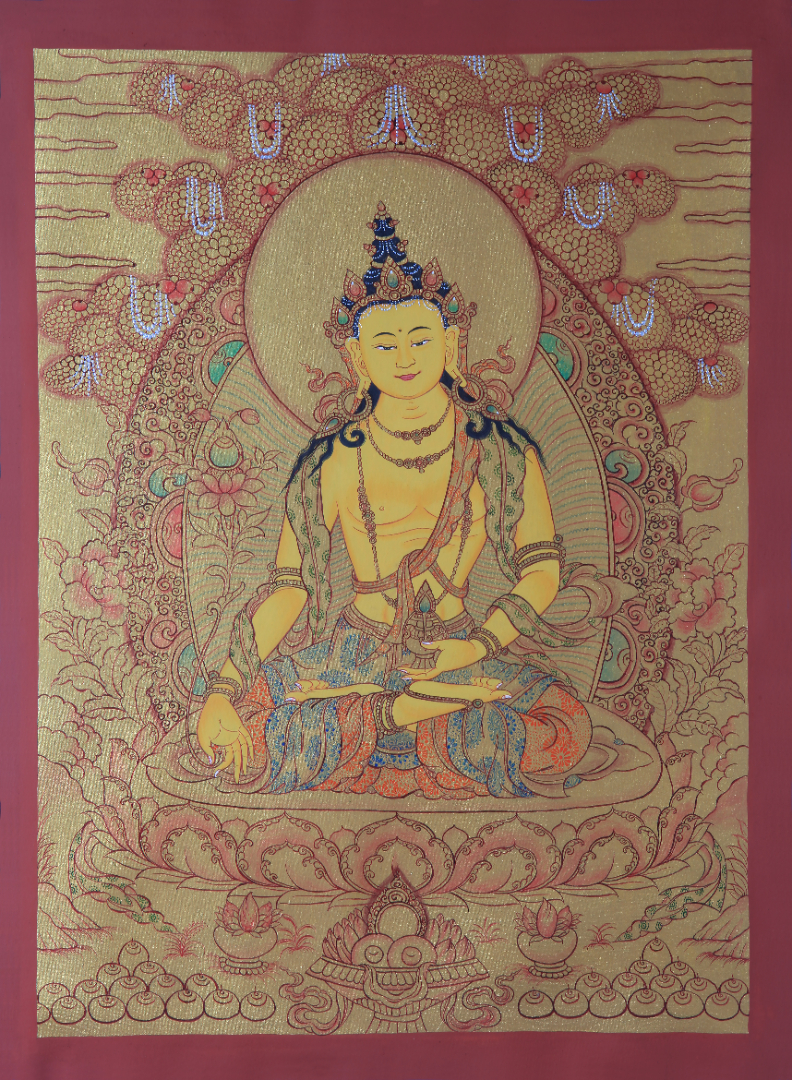
Ksitigarbha Bodhisattva of Radiance
Artist
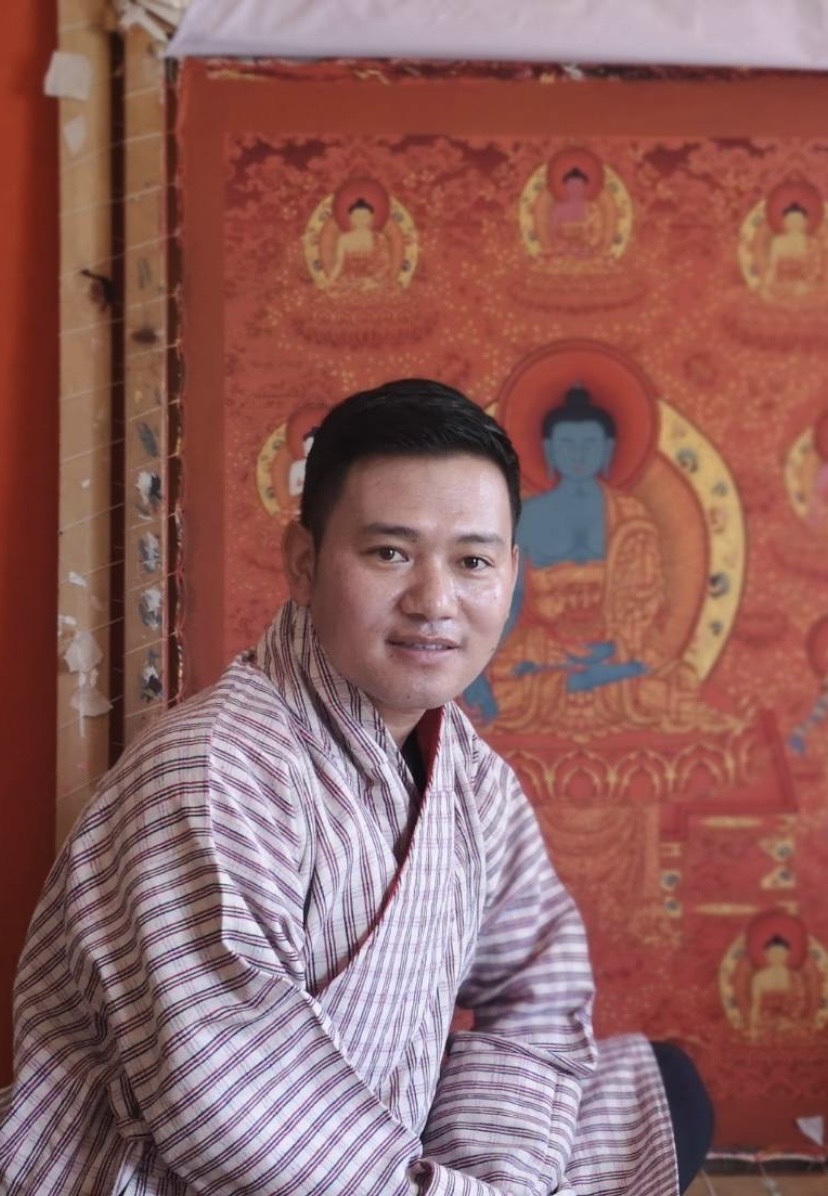
Pema Rinzin is a Thangka artist from Bhutan, born in 1981 into a family of practitioners, immersed in Buddhist teachings and meditation from a young age. His two elder brothers are both Khenpos (Buddhist abbots), one currently residing in the United States and the other in Taiwan. A Khenpo in Tibetan Buddhism is equivalent to a professor at a Buddhist academy. Pema Rinzin himself is also a monk. At the age of fifteen, he entered the "Thirteen Traditional Crafts Schools" in eastern Bhutan, studying painting under the renowned Bhutanese Thangka master Samten Dorji, receiving seven years of rigorous training. For over a decade, he has dedicated himself to artistic creation almost as a form of spiritual practice.
Pema Rinzin's style is highly distinctive, especially in his handling of color layers and transitions, showcasing a delicate and fluid tension. The spirit of his Buddha images is particularly moving, with the most admired feature among collectors being the subtle "opening of the face" in the eyes of the Buddhas and Bodhisattvas—restrained yet clear, as if a radiant light has been gently awakened.
He has mastered the strict proportions and traditional techniques of Buddhist imagery and possesses a deep understanding of the religious connotations of Thangka art. His works blend traditional and modern elements, showcasing profound artistic skill and reverence for Tibetan culture. He has worked and taught at spiritual research centers, temples, and monasteries in Bhutan, Nepal, and Taiwan, dedicated to promoting and preserving Thangka art. Currently, his works are widely acclaimed internationally and treasured by numerous private collectors.
His paintings are highly sought after by collectors not only for their technical mastery but also for the spiritual state of mind they convey. Many collectors have said that gazing at his works, they seem to see in every brushstroke and layer of color the artist's spiritual journey and the aspirations behind his creations—the painting is the artist, the scene born from the heart.
Now nearly forty-five years old, he is in the golden age of Thangka painting. Because Thangka painting demands extremely high levels of skill and meticulous craftsmanship, many artists struggle to maintain such refined brushwork after fifty. Therefore, works completed during this period are considered the most classic and collectible phase of his artistic life.